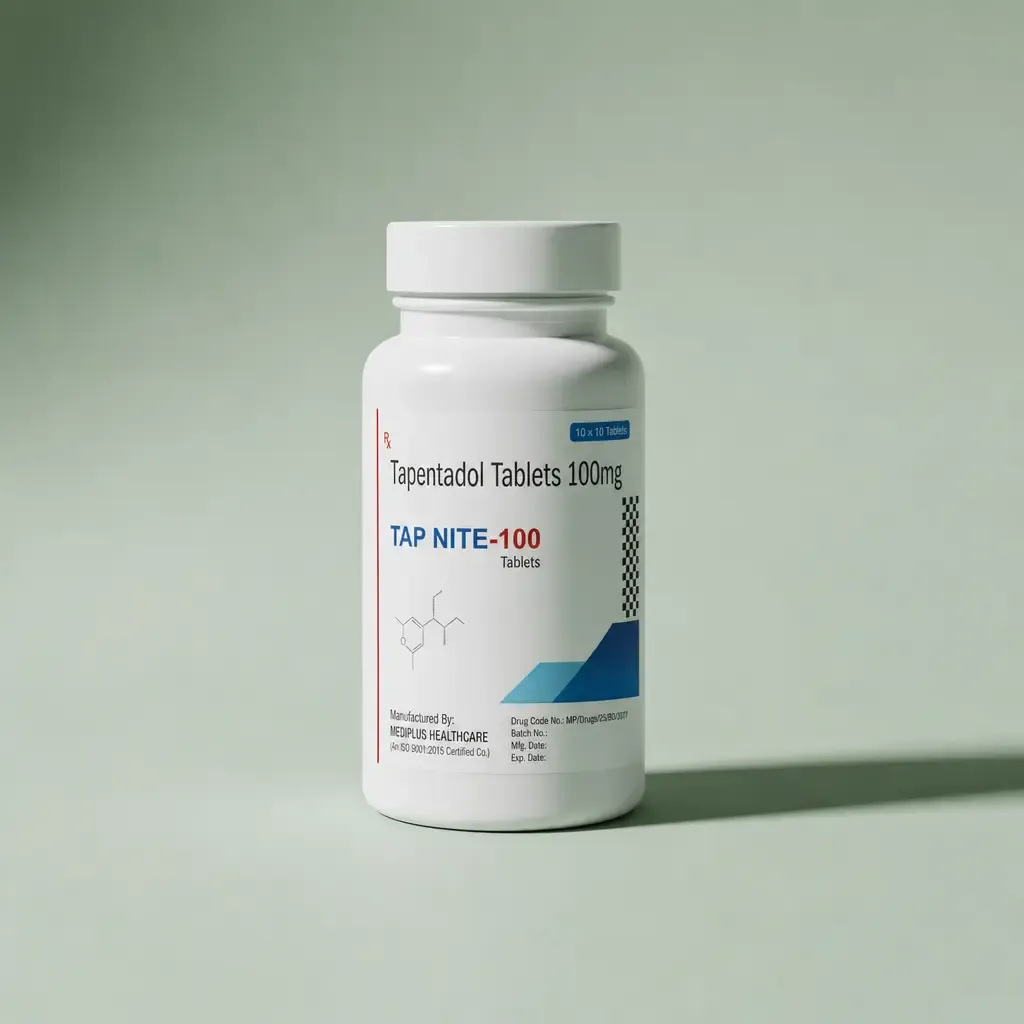
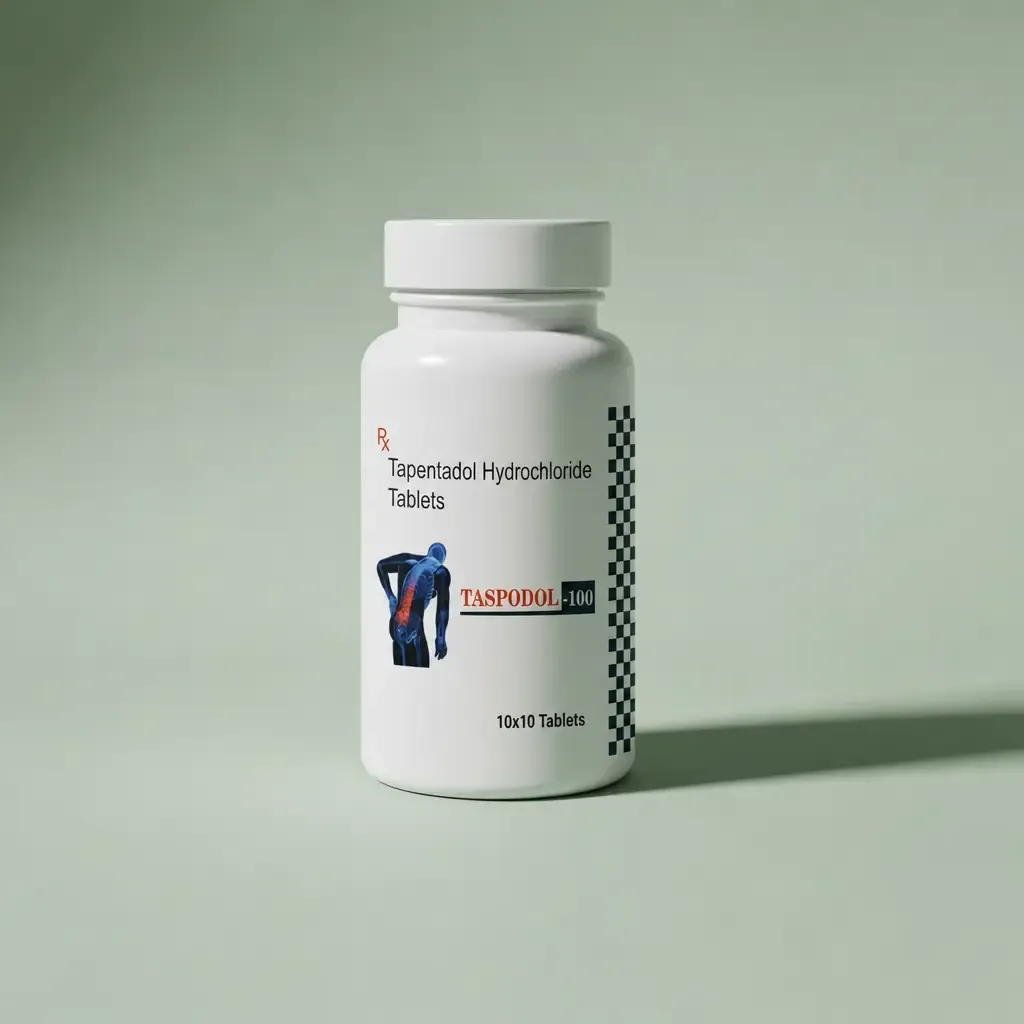
Taspodol
Tapentadol
4.1(38)
$182.00$254.80
In Stock


Muscle pain can show up in many ways. It might be the familiar soreness you feel after a hard workout, a dull ache that lingers after a long day at work, or a sudden sharp pain that makes you stop what you’re doing.
In many cases, muscle pain is temporary and improves with simple measures such as rest, gentle movement, or an over-the-counter pain reliever. But muscle pain can also be linked to an injury, infection, medication, or an underlying health condition.
Muscle pain, medically known as myalgia, refers to pain or discomfort in one or more muscles. It can affect a specific area, such as the shoulder or calf, or occur throughout the body.
The pain may feel like an ache, tightness, tenderness, cramping, or even a burning sensation. How it feels often depends on what caused it.
For example, muscles may feel sore a day or two after strenuous exercise, while an injured muscle may cause more immediate and localized pain.
One of the most common reasons for muscle pain is simply asking your muscles to do more than they're used to.
Starting a new workout, increasing the intensity of your training, lifting something heavy, or exercising for longer than usual can put temporary stress on muscle fibers.
This can lead to delayed-onset muscle soreness (DOMS), which typically develops several hours after exercise and may feel worse over the next day or two.
Usually, the discomfort gradually settles as the muscles recover.
A muscle strain happens when a muscle is stretched too far or torn. It can occur during exercise, sports, lifting, or even a sudden movement.
Common symptoms include:
Localized muscle pain
Tenderness
Swelling
Reduced movement
Muscle weakness
Bruising in some cases
The severity can range from a mild overstretch to a more significant tear.
Your daily habits can play a bigger role in muscle pain than you might expect.
Sitting at a desk for hours, working on a laptop without proper support, looking down at a phone, or standing in the same position for long periods can place continuous strain on certain muscles.
The neck, shoulders, upper back, and lower back are particularly prone to discomfort related to posture and prolonged static positions.
In these cases, regularly changing position, improving your workspace setup, and incorporating movement throughout the day can help.
Stress doesn't just affect your mood. It can also cause your muscles to tighten.
When you're stressed, you may unconsciously tense your shoulders, clench your jaw, or tighten your back and neck muscles. If this continues for long periods, it can contribute to headaches, neck pain, shoulder discomfort, and general muscle aches.
Managing stress, getting adequate sleep, and practicing relaxation techniques may help reduce this type of muscle tension.
Fluids and electrolytes such as sodium, potassium, calcium, and magnesium help your muscles function normally.
When you're dehydrated or lose significant amounts of fluid through sweating, vomiting, or diarrhea, you may experience muscle cramps, weakness, or discomfort.
Drinking enough fluids throughout the day is particularly important during hot weather and physical activity.
Some infections can cause widespread muscle aches.
Viral illnesses such as influenza and other infections may trigger muscle pain as part of the body's immune response. In these situations, the muscle aches usually occur alongside other symptoms, such as fever, tiredness, headache, cough, or a sore throat.
The pain generally improves as the underlying infection resolves.
Muscle pain can sometimes occur as a side effect of medication.
For example, some people taking statins, which are commonly prescribed to lower cholesterol, may develop muscle aches or weakness.
If you notice new or unexplained muscle pain after starting a medication, don't stop taking it on your own. Speak with your doctor or pharmacist. They can determine whether the medication could be contributing to the symptoms and whether any changes are appropriate.
Persistent or widespread muscle pain isn't always caused by exercise or everyday strain.
Certain medical conditions can cause muscle pain, weakness, or tenderness. These may include conditions affecting the muscles, nerves, joints, hormones, or immune system.
If muscle pain is persistent, keeps returning, or occurs without an obvious reason, it's worth getting it evaluated rather than repeatedly treating the symptom at home.
There isn't one treatment that works for every type of muscle pain.
The right approach depends largely on why the muscle hurts, how severe the pain is, and whether other symptoms are present.
For mild muscle soreness or a minor strain, treatment may begin with simple self-care.
If an activity triggered the pain, temporarily reducing or modifying that activity can give the affected muscle time to recover.
That doesn't necessarily mean staying completely still. Gentle movement can often be useful, provided it doesn't significantly increase the pain.
Cold therapy may be useful soon after certain acute injuries because it can help reduce pain and swelling.
Heat, on the other hand, may feel more comfortable when muscles are tight or stiff and can help promote relaxation.
Avoid placing ice or heat directly against bare skin for prolonged periods.
Once acute pain has settled, gentle stretching and gradual movement can help restore flexibility and normal function.
The key is not to push through significant pain. Recovery should be progressive rather than rushed.
For occasional muscle pain, over-the-counter medications may provide temporary relief.
Common options include acetaminophen (paracetamol) and certain nonsteroidal anti-inflammatory drugs (NSAIDs), such as ibuprofen. However, these medications aren't suitable for everyone.
NSAIDs, for example, may not be appropriate for people with certain stomach, kidney, cardiovascular, or other health concerns, and they can interact with some medications.
Always follow the product directions and ask a healthcare professional if you're unsure which option is appropriate for you.
When muscle pain is related to an injury, movement problem, recurring strain, or certain musculoskeletal conditions, physical therapy may be recommended.
A physical therapist can assess how you're moving and develop exercises aimed at improving strength, flexibility, mobility, and function.
Most minor muscle aches aren't a cause for concern. But some symptoms deserve medical attention.
Consider speaking with a healthcare professional if:
The pain is severe or getting worse
Muscle pain persists without an obvious cause
You have significant swelling or bruising
You experience persistent muscle weakness
The pain repeatedly returns
Muscle pain began after starting a new medication
You have a fever or feel unusually unwell
The pain is interfering with your normal activities
Seek urgent medical attention if muscle pain occurs with symptoms such as severe weakness, difficulty breathing, chest pain, confusion, or other sudden or serious symptoms.
You can't prevent every cause of muscle pain, but a few everyday habits can lower your risk.
Warm up before exercise. Give your muscles time to prepare before intense physical activity.
Increase exercise gradually. Avoid making sudden, dramatic increases in workout intensity, duration, or weight.
Stay hydrated. Replace fluids, especially when exercising or spending time in hot conditions.
Take movement breaks. If you spend much of the day sitting, get up regularly and move around.
Pay attention to posture. A comfortable workstation and good positioning can reduce unnecessary strain on your neck, shoulders, and back.
Give your body time to recover. Rest and adequate sleep are part of training and recovery, not obstacles to them.
But persistent or unexplained muscle pain shouldn't automatically be dismissed as ordinary soreness.
The most effective treatment starts with identifying the underlying cause. For minor aches, rest, gentle movement, hydration, and appropriate pain relief may be enough. When pain is severe, persistent, recurrent, or accompanied by other concerning symptoms, professional medical evaluation is the safer approach.
Listen to what your body is telling you. A sore muscle may simply need time to recover—but pain that doesn't make sense or doesn't go away deserves a closer look.
Medical Disclaimer
This article is for informational purposes only and does not constitute medical advice. Always consult a licensed healthcare professional before making changes to your health routine, medications, or supplements.