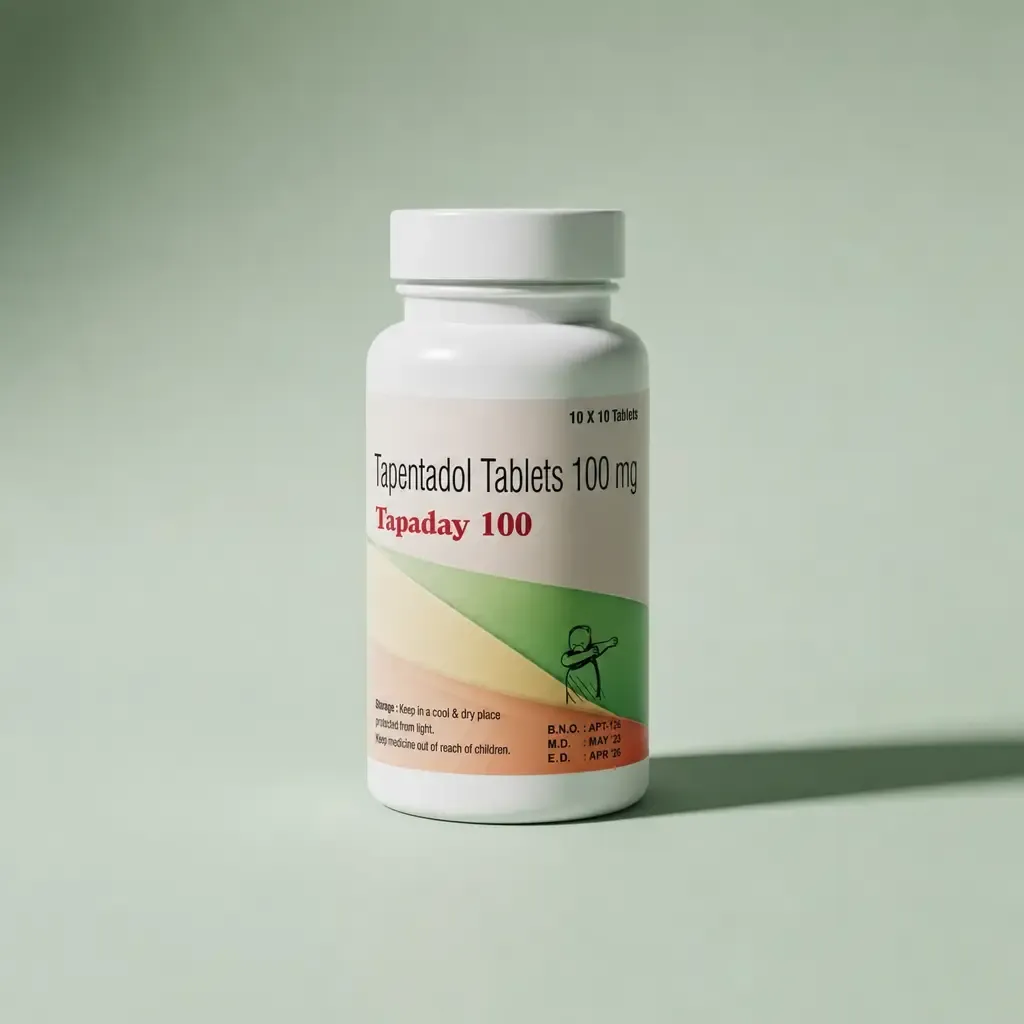
Tapentadol (Tapaday)
Tapentadol
4.3(141)
$182.00$254.80
In Stock


Erectile dysfunction (ED) is a common medical condition that can affect men at different stages of life. It is defined as difficulty getting or keeping an erection firm enough for sex. Importantly, erectile dysfunction is not considered a routine or unavoidable part of aging, and in many cases, the underlying causes can be identified and treated.
For many men, talking about erectile difficulties can feel uncomfortable. A change in sexual performance can bring questions that are difficult to say out loud: Is something wrong with me? Is this because I am getting older? Will it keep happening?
If you have experienced these concerns, you are not alone.
Erectile dysfunction (ED) is a common medical condition that can affect men at different stages of life. It is defined as difficulty getting or keeping an erection firm enough for sex. Importantly, erectile dysfunction is not considered a routine or unavoidable part of aging, and in many cases, the underlying causes can be identified and treated.
ED can sometimes be connected to cardiovascular health, diabetes, medications, hormones, nerve function, lifestyle factors, stress, anxiety, or relationship difficulties. That is why understanding the reason behind the problem is often more important than simply looking for a quick fix.
This comprehensive guide explains what erectile dysfunction is, the different types, common causes and symptoms, how doctors diagnose it, available treatment options, lifestyle factors that may help, and answers to some of the most common questions men have about ED.
Medical disclaimer: This article is intended for general educational purposes and is not a substitute for professional medical advice, diagnosis, or treatment. If you are experiencing persistent or worsening erectile difficulties, speak with a qualified healthcare professional.
Erectile dysfunction is the inability to consistently get or maintain an erection that is firm enough for satisfactory sexual activity.
That definition is important because having difficulty with an erection once in a while does not necessarily mean you have ED. Stress, tiredness, alcohol, illness, or other temporary circumstances can affect sexual performance.
ED becomes more concerning when erection problems happen repeatedly or begin interfering with sexual satisfaction, confidence, or relationships.
Common symptoms can include:
Getting an erection sometimes but not consistently
Getting an erection but losing it before or during sex
Being unable to achieve an erection
Having erections that are not firm enough for sexual activity
Experiencing ongoing changes in erectile function
These are recognized symptoms of ED, although the symptoms alone cannot determine the underlying cause.
No. Erectile dysfunction becomes more common with age, but aging itself does not automatically cause ED.
As men get older, they are more likely to develop conditions that can affect erections, such as cardiovascular disease, diabetes, high blood pressure, obesity, or other health problems. Certain medications and psychological factors can also become relevant.
For that reason, persistent erectile difficulties should not simply be dismissed as “getting older.” An evaluation can help identify whether there is an underlying issue that can be addressed.
No.
Erectile dysfunction relates specifically to achieving or maintaining an erection. Low libido, on the other hand, refers to reduced sexual desire.
The two can occur together, but they are different concerns and may have different causes. Hormonal problems, psychological factors, medications, relationship issues, and certain medical conditions can affect sexual desire, while ED can involve the blood vessels, nerves, hormones, psychological health, or a combination of these factors.
There is no single experience of ED. The condition can develop for different reasons and may appear differently from one man to another.
Understanding the possible type or contributing factors can help make the diagnostic process more meaningful.
Physical, sometimes called organic, ED occurs when a physical or medical problem interferes with the processes required to achieve or maintain an erection.
An erection depends on coordinated communication between the brain, nerves, blood vessels, hormones, and penile tissues. A problem affecting one or more of these systems can interfere with erectile function.
Potential physical contributors include:
Diabetes
Cardiovascular disease
High blood pressure
Atherosclerosis
Obesity
Chronic kidney disease
Nerve disorders
Spinal cord injury
Pelvic or penile injury
Peyronie's disease
Certain surgeries or cancer treatments
Hormonal abnormalities
NIDDK identifies vascular, neurological, hormonal, medical, and structural conditions among the potential causes of erectile dysfunction.
Psychogenic ED occurs when psychological or emotional factors contribute significantly to erection difficulties.
Potential factors include:
Performance anxiety
Stress
Depression
Relationship difficulties
Fear of sexual failure
Low self-esteem
Previous negative sexual experiences
Psychological ED is not imaginary or “just in your head.” Emotional and mental factors can produce very real changes in sexual function.
For some men, the problem can become a cycle. One unsuccessful sexual experience creates anxiety about the next experience, that anxiety makes it harder to become fully aroused, and the resulting difficulty creates even more anxiety.
Many men have a combination of physical and psychological factors.
For example, a man may initially develop ED because of diabetes or reduced blood flow. After experiencing erection difficulties several times, he may become anxious about sexual performance. That anxiety can then make the original problem worse.
This is why ED should not always be categorized as purely physical or purely psychological.
Situational ED happens only under certain circumstances.
A man may have difficulty maintaining an erection:
With a new partner
During periods of intense stress
When he feels pressured to perform
During relationship conflict
After consuming a significant amount of alcohol
In specific sexual situations
If erections remain normal in other circumstances, this pattern can provide useful information during a medical evaluation.
Persistent ED occurs when erectile difficulties happen regularly across different situations.
When erection problems are consistent, it becomes particularly important to consider possible physical contributors, medication effects, chronic medical conditions, and psychological factors.
The pattern, frequency, and circumstances of ED are all useful pieces of information for a healthcare professional.
Erectile dysfunction can have many causes, and more than one factor may be involved at the same time.
Rather than thinking of ED as a single disease with a single cause, it is more useful to think of an erection as a complex process that requires several systems in the body to work together.
Healthy blood flow is essential for an erection.
Conditions that affect the cardiovascular system can therefore affect erectile function. These include:
High blood pressure
Atherosclerosis
Heart and blood vessel disease
High cholesterol
Stroke
Other conditions that impair circulation
Because the blood vessels involved in erections are sensitive to vascular health, ED can sometimes be an important reason to discuss cardiovascular risk factors with a healthcare professional.
Diabetes can affect the blood vessels and nerves involved in sexual function.
Over time, uncontrolled or poorly controlled blood glucose can contribute to nerve damage and circulation problems, both of which can make erections more difficult to achieve or maintain.
Men with diabetes are at increased risk of ED, making regular management of diabetes and discussion of sexual symptoms with a healthcare professional particularly important.
High blood pressure can damage blood vessels over time and is associated with erectile dysfunction.
Some blood pressure medications may also contribute to sexual side effects in certain people. This does not mean that someone should stop taking prescribed medication. Instead, concerns should be discussed with the prescribing healthcare professional.
Hormones can influence sexual desire and erectile function.
Low testosterone may contribute to sexual symptoms in some men, but ED should not automatically be blamed on low testosterone.
A healthcare professional may consider symptoms, medical history, physical examination, and laboratory testing before determining whether a hormonal problem is involved.
The nervous system plays a crucial role in erections because signals from the brain and nerves help initiate and maintain the erectile response.
Conditions or injuries affecting these pathways can therefore contribute to ED.
Examples include:
Spinal cord injuries
Multiple sclerosis
Certain neurological disorders
Nerve damage
Nerve injury associated with pelvic surgery
Peyronie's disease occurs when scar tissue develops within the penis and can cause curvature during an erection.
For some men, penile curvature can make intercourse difficult or painful and may be associated with erectile dysfunction.
Certain prescription and over-the-counter medications can contribute to erectile difficulties.
Potential examples include some:
Antidepressants
Blood pressure medications
Antihistamines
Other medicines that affect hormones, nerves, or blood flow
If you suspect a medication is affecting your sexual function, do not stop taking it on your own. A healthcare professional can review your medications and determine whether a change is appropriate.
Smoking can damage blood vessels and contribute to cardiovascular problems, both of which can affect erectile function.
Quitting smoking is therefore beneficial not only for sexual health but for overall cardiovascular health as well.
Excessive alcohol consumption can interfere with sexual performance and may contribute to longer-term health problems associated with ED.
Recreational drug use can also affect sexual function.
Sexual function does not exist separately from mental health.
Stress and anxiety can interfere with arousal and concentration, while depression can affect both sexual desire and sexual performance.
Performance anxiety is particularly important because worrying about maintaining an erection can itself make maintaining one more difficult.
Excess weight, physical inactivity, diabetes, high blood pressure, and cardiovascular disease can all be connected to erectile health.
Improving physical activity and maintaining a healthy weight can therefore support both sexual and general health.
ED can present differently depending on its cause.
You may become sexually interested or stimulated but have difficulty becoming firm enough for sexual activity.
You may initially achieve an erection but lose firmness before or during intercourse.
You may have a satisfactory erection on some occasions but experience difficulty at other times.
An erection may occur but may not be firm enough for satisfactory sexual activity.
Repeated erection difficulties can affect confidence and emotional well-being.
Some men begin avoiding intimacy because they are afraid of experiencing another unsuccessful sexual encounter. Others may worry that their partner will interpret ED as a lack of attraction.
These emotional effects can become part of the problem, particularly when anxiety begins affecting future sexual experiences.
Diagnosing ED is not simply about determining whether a man can get an erection.
A healthcare professional usually looks at the full picture—medical history, sexual history, mental health, medications, lifestyle, physical examination, and, when appropriate, laboratory or other diagnostic tests.
Your healthcare professional may ask about:
Existing medical conditions
Previous surgeries or injuries
Cardiovascular health
Diabetes
Blood pressure
Medications and supplements
Smoking
Alcohol consumption
Physical activity
Other lifestyle factors
This information can help identify possible contributors.
You may be asked about:
Sexual desire
Erections
Erection firmness
How long erections last
Ejaculation
Orgasm
When the problem began
How frequently it happens
Whether it occurs in every situation
Whether nighttime or morning erections occur
These questions may feel personal, but they are clinically relevant.
Being honest and specific can make it easier for a healthcare professional to understand what is happening.
Stress, anxiety, depression, and relationship difficulties may contribute to ED.
A healthcare professional may therefore ask about emotional well-being and relationship circumstances as part of the evaluation.
A physical examination may look for evidence of:
Vascular problems
Neurological abnormalities
Hormonal problems
Penile abnormalities
Peyronie's disease
Other underlying health conditions
Depending on your symptoms and medical history, laboratory testing may be recommended.
Tests can help identify conditions that may contribute to ED, including certain hormonal, metabolic, or thyroid abnormalities.
Not every man requires the same tests. Testing should be based on the individual's circumstances.
In selected cases, additional testing may be used.
A penile ultrasound can evaluate blood flow. A nocturnal erection test can assess erections that occur during sleep, while an injection test can evaluate the penis's ability to develop an erection in response to medication.
The most appropriate ED treatment depends on why the problem is happening.
Treatment may involve lifestyle changes, psychological support, prescription medication, devices, injections, or surgery. In some cases, more than one approach may be used.
Lifestyle changes can support erectile health, particularly when cardiovascular or metabolic risk factors are involved.
Helpful changes may include:
Quitting smoking
Becoming more physically active
Maintaining a healthy weight
Eating a balanced diet
Limiting excessive alcohol
Avoiding recreational drugs
Managing stress
Controlling conditions such as diabetes and high blood pressure
Research from NIDDK indicates that a healthy diet can lower the risk of ED and may improve symptoms in some men.
PDE5 inhibitors are among the most widely used medical treatments for erectile dysfunction.
Common medicines in this class include:
Sildenafil
Tadalafil
Vardenafil
Avanafil
These medications help support the blood-flow process involved in achieving an erection when sexual stimulation occurs.
However, they are not suitable for everyone and should be used according to professional medical advice.
No.
ED medications can interact with other medicines and may be unsafe for certain people.
One particularly important interaction involves nitrate medications. Combining PDE5 inhibitors with nitrates can cause a potentially dangerous drop in blood pressure.
For this reason, a healthcare professional should know about all prescription medicines, over-the-counter medicines, and supplements you are taking before recommending an ED medication.
Testosterone treatment is sometimes considered when a man has confirmed testosterone deficiency and appropriate clinical indications.
However, testosterone is not a universal treatment for erectile dysfunction.
A man should not assume that low testosterone is responsible for ED without appropriate evaluation and testing.
When anxiety, depression, stress, or relationship problems contribute to ED, counseling or sex therapy may be beneficial.
Therapy can help address:
Performance anxiety
Fear of sexual failure
Relationship concerns
Negative thought patterns
Sexual communication
Stress
In some situations, involving a partner can also be helpful.
A vacuum erection device uses negative pressure around the penis to help draw blood into the erectile tissue.
An elastic ring can then help maintain the erection.
Vacuum devices can be an option for men who cannot take or do not want to use certain medications.
Some men may benefit from medicines injected directly into the penis to produce an erection.
Because these treatments can cause complications if used incorrectly, they should be prescribed and explained by an appropriate healthcare professional.
For men with persistent ED who do not achieve satisfactory results from other treatments, a penile implant may be considered.
A penile implant is a surgically placed device that allows an erection to be produced mechanically.
Because this is an invasive treatment, it is generally considered after other suitable options have been discussed.
For some men, lifestyle changes can make a meaningful difference.
Physical activity supports cardiovascular health and circulation and can help with maintaining a healthy weight.
Being overweight can increase the risk of health conditions associated with ED, including diabetes and cardiovascular disease.
A healthy eating pattern can support cardiovascular and metabolic health.
NIDDK notes that foods such as vegetables, fruits, legumes, whole grains, nuts, seeds, and sources of unsaturated fats can form part of a healthy diet associated with lower ED risk.
If you smoke, quitting can benefit your blood vessels and overall cardiovascular health.
Excessive alcohol can negatively affect sexual function and overall health.
Stress management can be particularly important when anxiety or psychological factors are contributing to ED.
Sometimes.
Because erections depend heavily on healthy blood vessels and nerves, ED can occur alongside conditions such as cardiovascular disease, diabetes, high blood pressure, and neurological disorders.
That does not mean every man with ED has heart disease or diabetes.
It does mean that persistent, unexplained ED can be worth discussing with a healthcare professional rather than simply treating the symptom in isolation.
For men with diabetes, for example, sexual problems can be associated with changes in blood vessels, nerves, hormones, and emotional health.
You should consider speaking with a healthcare professional if erection difficulties:
Keep happening
Are becoming more frequent
Are affecting your relationship or confidence
Started after beginning a medication
Occur alongside other health symptoms
Occur with diabetes or cardiovascular risk factors
Follow an injury or surgery
Are accompanied by penile curvature or pain
There is also no need to wait until ED becomes severe.
A healthcare professional can help determine whether the problem is related to circulation, hormones, nerves, medications, psychological factors, or a combination of causes.
Erectile dysfunction is difficulty getting or maintaining an erection firm enough for satisfactory sexual activity. It can happen occasionally or persistently, and the underlying cause can vary from one person to another.
There is no single cause that applies to every man. ED can be associated with cardiovascular disease, diabetes, high blood pressure, obesity, nerve problems, hormonal abnormalities, medications, smoking, alcohol, psychological factors, and other health conditions.
Yes. Stress and anxiety can interfere with sexual arousal and erectile function. Performance anxiety can also create a cycle in which worrying about losing an erection makes it harder to maintain one.
Yes. Diabetes can affect the blood vessels and nerves involved in erections and is strongly associated with ED. Good diabetes management may help reduce the risk and can be part of treating ED when diabetes contributes to the problem.
Yes. High blood pressure can affect blood vessels and is associated with erectile dysfunction. Some medications used to treat medical conditions may also contribute to sexual side effects in certain individuals.
No. Although ED becomes more common with age, it is not considered a routine part of aging. Medical conditions, medications, lifestyle factors, and psychological issues should be considered.
Whether ED can be completely reversed depends on its underlying cause. Some men experience significant improvement when an underlying medical condition, medication issue, lifestyle factor, or psychological contributor is addressed. Others may require ongoing treatment.
Occasional erection difficulties may resolve when temporary factors such as stress, fatigue, or alcohol are no longer present. Persistent or recurring ED deserves a medical evaluation rather than being ignored.
No. Response varies between individuals, and these medicines are not appropriate for everyone. Underlying medical conditions, other medications, dosage, timing, and sexual stimulation can all influence the outcome.
It depends on the medication. PDE5 inhibitors can be dangerous when combined with nitrate medicines because the combination can cause a significant drop in blood pressure. Always tell your healthcare professional about your medications before using an ED medicine.
Regular physical activity supports cardiovascular health and can help address risk factors associated with ED. Exercise is particularly valuable as part of an overall approach to maintaining healthy blood pressure, weight, blood sugar, and circulation.
A primary care doctor can begin the evaluation, while a urologist can provide specialized assessment and treatment. Depending on the suspected cause, another specialist may also be involved.
Not necessarily. ED can be temporary, recurring, or persistent depending on its cause. Because many contributing factors are treatable or manageable, experiencing ED does not automatically mean that it will last forever.
Erectile dysfunction can be difficult to talk about, but there is no reason to face it with embarrassment or silence.
An erection depends on a surprisingly complex interaction between blood vessels, nerves, hormones, the brain, physical health, and psychological well-being. When something changes in one of these areas, sexual function can change too.
That is why the most useful question is not simply, “Which ED medicine should I take?”
A better question is:
“Why am I experiencing this problem?”
Finding the answer can reveal an underlying health issue, identify a medication or lifestyle factor that may be contributing, or uncover stress and anxiety that deserve attention.
Most importantly, erectile dysfunction is a medical concern—not a measure of masculinity, attractiveness, or personal worth.
If erection difficulties are happening repeatedly, speaking with a qualified healthcare professional is a practical first step. With an appropriate evaluation, many men can identify the contributing factors and find a treatment approach that works for their individual situation.
Medical Disclaimer
This article is for informational purposes only and does not constitute medical advice. Always consult a licensed healthcare professional before making changes to your health routine, medications, or supplements.